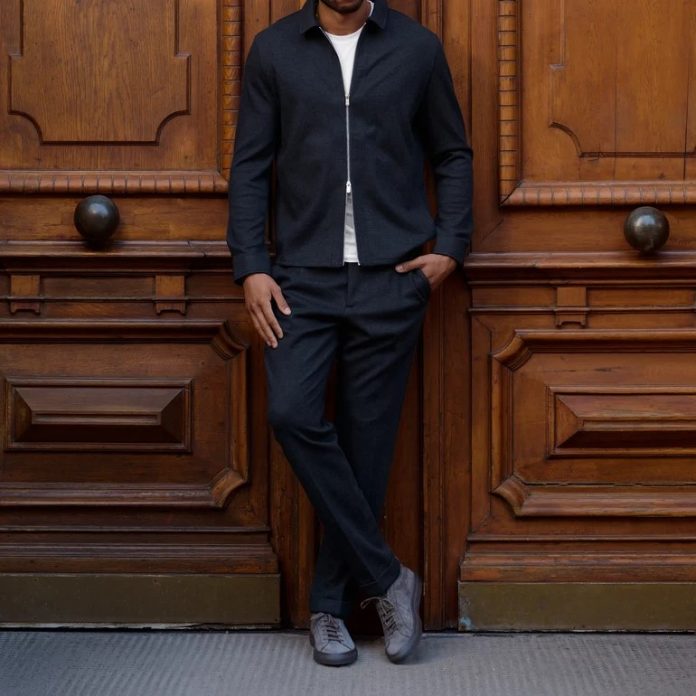

A new collection can contain dozens of appealing garments without offering anything a particular wardrobe genuinely needs. An unfamiliar jacket silhouette, an attractive fabric, or a seasonal color may encourage a purchase, but these qualities say little about how often the item will be worn. The more useful question is whether the garment improves the clothing already owned. Answering it requires looking beyond photographs and considering construction, climate, fit, and personal habits.
Menswear collections generally evolve through changes in fabric, color, proportion, and detailing rather than complete replacements of established styles. A navy blazer might return with softer shoulders, a slightly different lapel, or a more textured material. Trousers may feature a higher rise or a wider leg opening, while knitwear introduces new yarn blends and seasonal weights. These variations can be worthwhile, but their significance depends on how they affect comfort, appearance, and versatility.
Exploring new arrivals at Sartale can provide a starting point for comparing recently introduced garments across different categories. Rather than approaching new arrivals as a shopping list, it is more productive to examine how each piece differs from familiar alternatives. A jacket may offer a useful seasonal fabric, while a pair of trousers might introduce proportions better suited to an existing collection of shirts and knitwear. This approach turns browsing into a practical exercise in wardrobe planning.
Look Beyond Seasonal Colors and Silhouettes
Fashion collections often introduce new color combinations, but a change in palette does not necessarily represent a meaningful improvement. Earthy browns, muted greens, pale blues, and various shades of cream may appear prominently in one season and less frequently in another. These colors can be attractive without being suitable for every wardrobe. Their practical value depends on how naturally they combine with garments already owned.
Silhouette changes deserve more careful evaluation because they influence both appearance and comfort. A jacket with a softer shoulder may feel less restrictive than a heavily structured alternative. Trousers with a higher rise can alter the proportions of an outfit and the way a jacket sits over the waistband. A wider leg may provide additional room through the thigh and calf, although the result also depends on fabric weight and the shape of the wearer.
Small design changes sometimes matter more than conspicuous ones. A jacket cut slightly longer can produce a more balanced appearance on a taller man, while a revised trouser rise may improve comfort when sitting. Changes in pocket placement, collar shape, or sleeve construction can also affect everyday wear. These details should be judged individually rather than accepted as improvements simply because they appear in a new collection.
Fashion photographs can make such differences difficult to assess. Lighting, styling, posing, and garment preparation influence how clothing appears online. A loosely constructed jacket may look sharply tailored when clipped or carefully arranged for a photograph. Conversely, a garment with excellent drape may appear unremarkable in a static image. Detailed product photographs, measurements, and fabric descriptions are therefore more informative than editorial presentation alone.
The most useful comparison is often between two garments serving the same purpose. If a new jacket offers better fit, more appropriate fabric, or greater compatibility with existing trousers, it may justify replacing an older piece. If its only advantage is a slightly different seasonal color, the purchase deserves closer consideration.
Understand What Seasonal Fabrics Actually Offer
Fabric selection provides one of the clearest reasons for introducing new garments into a wardrobe. A wool jacket designed for cooler weather behaves differently from a lightweight linen version, even if their silhouettes are nearly identical. The distinction involves more than warmth. Breathability, texture, crease recovery, drape, and maintenance requirements influence how the garment performs throughout the day.
Warm-weather collections frequently include linen, cotton, lightweight wool, and blends developed for particular handling characteristics. Linen generally allows air to circulate through suitable fabric constructions, but it wrinkles readily. Some people appreciate the relaxed appearance that develops during wear, while others prefer materials that retain a smoother surface. Lightweight wool can offer an alternative for tailored clothing when the weave and overall garment construction are appropriate for warmer conditions.
Autumn and winter collections often emphasize flannel, heavier wool, cashmere, and textured knitwear. These materials can provide warmth and a softer visual character, but heavier does not always mean better. A densely woven jacket may offer useful protection in cool weather while becoming uncomfortable in heated interiors. Layering several lighter garments can sometimes provide greater flexibility than relying on one substantial piece.
Blended fabrics require equally careful assessment. Combining fibers can alter the weight, elasticity, feel, and maintenance properties of a textile. However, the presence of an expensive fiber does not automatically make a blend superior. A small percentage of cashmere, for example, does not establish the quality of the entire fabric. Yarn structure, finishing, and the properties of the other fibers remain important.
Fabric specifications should be connected to real wearing conditions. Someone who travels frequently may value crease recovery and manageable maintenance more than an unusually delicate surface. A person who works in a climate-controlled office may prefer garments that remain comfortable across changing indoor and outdoor temperatures. Seasonal suitability is ultimately determined by use, not by the month in which a collection is released.
Separate Lasting Design from Short-Lived Trends
Menswear develops gradually, but its proportions and decorative details still change. Narrow lapels may give way to broader ones, closely fitted trousers may be replaced by roomier cuts, and previously overlooked colors may become prominent. Some changes reflect genuine preferences for improved comfort or different proportions. Others are primarily aesthetic and may lose their appeal relatively quickly.
Distinguishing between these developments requires understanding the function of a garment. A slightly fuller trouser can provide more freedom of movement and accommodate a wider range of body shapes. A softer jacket may offer a comfortable alternative to formal tailoring. These are practical characteristics that remain relevant regardless of their popularity in a particular season.
Other features contribute little beyond visual novelty. Unusual pocket arrangements, exaggerated proportions, or prominent decorative elements may make a garment immediately recognizable, but they can also limit its versatility. Such pieces are not necessarily poor purchases. They simply require a more deliberate decision about how they will be worn and whether their distinctive character suits the owner’s preferences.
A useful test is to imagine the garment without its seasonal styling. Would the jacket still look appealing with ordinary gray trousers and a white shirt? Would the knitwear work with existing coats and footwear? Could the trousers be worn regularly without requiring an entirely new set of accompanying garments? If the answer is consistently negative, the piece may be less practical than its presentation suggests.
Longevity should not be confused with avoiding personality. A richly textured jacket or an unusual shade of green can remain relevant for years when its proportions are balanced and the wearer genuinely enjoys it. The objective is not to eliminate individuality but to distinguish personal taste from the temporary attraction of something unfamiliar.
Compare New Purchases with Your Existing Wardrobe
A wardrobe inventory is one of the simplest ways to make more informed purchases. It does not need to be elaborate. Reviewing the garments worn frequently, those reserved for specific occasions, and those that rarely leave storage can reveal patterns that are otherwise easy to overlook. The purpose is to understand what is missing rather than count how many pieces are owned.
A practical evaluation can focus on a few questions.
- Function. Does the garment serve a purpose not adequately covered by something already owned?
- Compatibility. Can it be combined with several existing shirts, trousers, jackets, or pairs of shoes?
- Seasonal use. Is its fabric appropriate for the climate and the conditions in which it will be worn?
- Fit. Are the proportions comfortable and suitable without extensive alterations?
- Maintenance. Can the garment be cleaned and stored without unreasonable effort or expense?
- Frequency of wear. Is there a realistic reason to expect regular use, or is its appeal mainly visual?
These questions help identify purchases that provide genuine variety. A second navy jacket may be worthwhile if it offers a substantially different fabric weight or level of formality. Another pair of gray trousers may be useful when the existing pair is worn frequently. By contrast, several nearly identical garments purchased simply because they are available at attractive prices may provide little additional value.
Consider a man who already owns a structured navy suit, charcoal wool trousers, and several business shirts. A softly tailored brown jacket could create new combinations with much of this wardrobe, particularly if its texture and construction support less formal outfits. Another structured navy jacket might offer fewer possibilities unless the original garment is becoming worn or no longer fits properly.
The same reasoning applies to casual clothing. A lightweight merino sweater may be more useful than another cotton sweatshirt if it can be worn beneath tailored jackets and coats. A carefully selected pair of trousers might connect existing knitwear and footwear more effectively than purchasing an entirely new outfit. The goal is to increase the number of practical combinations without unnecessarily increasing the number of garments.
Examine Construction Before Making a Decision
Seasonal presentation can distract from the underlying quality of a garment. A distinctive color or attractive texture may create a strong first impression, but construction determines how reliably the piece performs during regular wear. New collections should therefore be examined with the same care as established wardrobe staples.
For tailored jackets, shoulder construction, lining, interlining, and fabric behavior influence both comfort and appearance. A soft shoulder may provide a relaxed silhouette, while a more structured design can produce a sharper outline. Neither approach is inherently superior. The appropriate choice depends on body proportions, intended use, and personal preference.
Shirts require a different inspection. Collar construction, cuff finishing, seam quality, and button attachment deserve consideration alongside fabric. A shirt that fits comfortably across the shoulders but pulls around the chest may be unsuitable despite its attractive material. Similarly, excessively long sleeves or an uncomfortable collar can make an otherwise excellent garment difficult to wear.
Trousers should be assessed while both standing and sitting. Waist fit, rise, seat, thigh allowance, and leg opening determine whether the garment moves comfortably with the body. Fabric composition also matters, especially when comparing structured wool trousers with softer cotton or stretch blends. Photographs rarely reveal enough information to judge all these characteristics accurately.
Online purchases require additional discipline. Measurements should be compared with well-fitting garments rather than relying entirely on familiar size labels. Different manufacturers may interpret the same nominal size differently, and even collections from one brand can vary in cut. Reviewing available measurements, material composition, care instructions, and return conditions can help avoid expensive mistakes.
Build a Collection That Improves Over Time
New menswear collections offer opportunities to replace worn essentials, respond to changing needs, and introduce useful variations in fabric or silhouette. Their value becomes clearer when purchasing decisions are connected to an established understanding of personal style. A garment should earn its place through its function, fit, and compatibility, not simply through its novelty.
It is also worth considering the financial implications of purchasing premium clothing. A substantial initial price can be reasonable when a garment receives frequent use and remains suitable for several years. However, the calculation changes when the item requires extensive alterations, specialist maintenance, or additional purchases to create workable outfits. Cost per wear provides a useful perspective, although it should not be treated as the only measure of value.
Waiting before making a purchase can be surprisingly informative. An item that continues to seem useful after the initial excitement has passed may deserve consideration. If its appeal disappears as soon as attention shifts to another collection, it was probably not addressing an important wardrobe need. This simple distinction helps reduce impulsive decisions without making shopping unnecessarily restrictive.
Personal preferences can also evolve for legitimate reasons. Changes in profession, daily routine, climate, and body proportions may alter what constitutes a useful wardrobe. A man who previously needed formal suits every day may begin to rely more heavily on separate jackets and comfortable trousers. Someone who travels more frequently may place greater value on lightweight, adaptable garments. New collections can respond to these changes when their contents are evaluated carefully.
A successful wardrobe does not need constant reinvention. It benefits from measured adjustments that preserve its strongest elements while improving comfort, versatility, and seasonal suitability. The most rewarding new purchases are those that integrate naturally with existing clothing, continue to feel appropriate after repeated wear, and make getting dressed easier rather than more complicated.