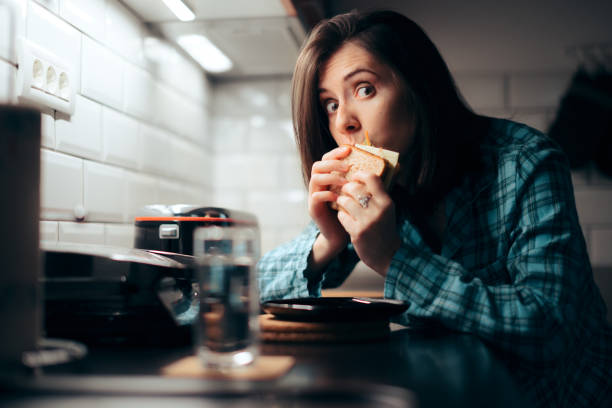

What makes comfort food so addictive is something I only realized when I caught myself ordering the same meal for the third time in a week, fully aware I was doing it. Not because I was starving. Not because it was the best thing on the menu. Just because it felt safe. Familiar. Like putting on an old hoodie that should probably be thrown away but never is.
It feeds emotions before it feeds the stomach
Comfort food doesn’t start in the mouth. It starts in the head. These are foods tied to memories. Childhood lunches, late-night snacks, meals made by someone who cared about you. Your brain connects those flavors with feeling okay.
When life feels messy, comfort food feels predictable. That predictability is soothing. You know exactly how it will taste. No surprises. No disappointment.
That emotional reassurance is powerful.
Sugar, salt, and fat know what they’re doing
Let’s not pretend chemistry isn’t involved. Comfort food usually hits all the pleasure buttons. Carbs for energy, fat for richness, salt for flavor, sometimes sugar for that extra hit.
These combinations trigger dopamine, the brain’s reward chemical. The same one involved in habits and cravings. Your brain remembers how good it felt and gently nudges you to repeat it.
It’s not weakness. It’s biology doing its thing.
It asks nothing from you
Comfort food is low effort. You don’t need to think. No experimenting. No risk.
After a long day of decisions, your brain wants a break. Comfort food offers that. You don’t have to analyze ingredients or worry about whether you’ll like it.
It’s the food equivalent of scrolling instead of reading.
Stress makes cravings louder
When stress levels rise, self-control drops. That’s when comfort food steps in.
During stressful times, the body actually craves high-calorie food. It’s an old survival mechanism. Stress signals danger. Calories signal safety.
Modern life triggers stress constantly. Comfort food becomes an easy response.
Portion sizes blur without guilt
Comfort food doesn’t judge you. No one eats one chip. No one has just one spoon of ice cream.
Because it feels emotionally safe, people don’t monitor portions closely. Eating becomes soothing, not strategic.
That lack of guilt during the moment is part of the addiction.
Nostalgia amplifies the craving
Certain foods don’t just taste good. They time travel.
One bite and you’re back in a simpler time. No deadlines. No responsibilities. Just enjoyment.
That emotional shortcut is hard to resist. Especially on bad days.
Comfort food is marketed as relief
Food brands know this. Ads don’t sell nutrition. They sell feelings. Warmth. Happiness. Belonging.
You’re not buying food. You’re buying a mood.
And moods are addictive.
Breaking the cycle is harder than it sounds
Comfort food isn’t the enemy. But relying on it emotionally can become a habit.
The key isn’t eliminating it. It’s understanding why you’re reaching for it.
Sometimes you’re hungry. Sometimes you’re tired. Sometimes you just need comfort.
Food fills the gap temporarily.
Why we keep coming back
What makes comfort food so addictive isn’t just taste. It’s timing, memory, emotion, and chemistry working together.
It doesn’t fix problems. It pauses them.
And sometimes, that pause feels really good