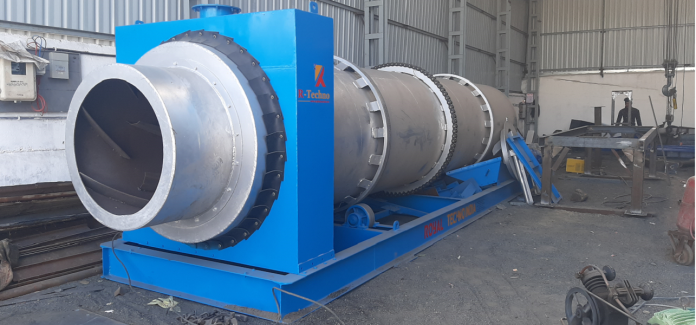

So, I was scrolling through some LinkedIn posts the other day, and I noticed a lot of chatter about how industrial plants struggle with their kilns. People complain about downtime, weird noises, and that mysterious smell that seems to come out of nowhere. Honestly, it’s not that surprising. Running a kiln isn’t exactly like flipping a switch. That’s where kiln engineering consulting comes into play. And trust me, getting a consultant in before things go sideways is way cheaper than fixing a disaster after it’s already blown up—figuratively, most of the time.
Understanding What Kiln Engineering Consulting Really Means
I know, I know, the term “engineering consulting” sounds fancy and a little intimidating. But basically, it’s like having a coach for your kiln. You wouldn’t go into a championship game without a coach, right? Same principle applies here. These consultants look at everything from how your kiln is set up, to the wear and tear on your parts, to how your team is operating it day-to-day. It’s kind of wild how little things, like a slightly misaligned roller or a worn seal, can mess up the whole production line. And honestly, most plant managers are already juggling a million things, so it’s easy for these small problems to slip under the radar until suddenly, you’re down for days.
The Not-So-Obvious Benefits
People often think consulting is just about spotting problems. Sure, that’s part of it, but it’s more like giving your kiln a full health check-up and then helping you build a game plan. One thing I found pretty interesting—some consultants even analyze how your plant’s heat distribution affects energy consumption. Apparently, an inefficient kiln setup can hike energy bills by up to 15%. Imagine just paying more for energy because your rollers aren’t quite aligned right. I mean, it’s like leaving your fridge door slightly open for months and wondering why your electricity bill is insane.
Another thing I didn’t realize until I started reading some forums is how much social chatter there is about kiln maintenance. I swear, people post everything from horror stories about fires to weird hacks like putting reflective tape inside the kiln to improve heat efficiency. It’s chaotic, kind of like Reddit, but you get a sense of how much DIY fixes are floating around. And yeah, some of those ideas are pure gold, but a proper consultant helps filter what’s actually useful versus what’s just someone trying to look clever.
Common Issues Consultants Spot Before They Become a Disaster
From what I’ve gathered talking to a couple of engineers online, consultants see issues most plant staff wouldn’t even notice. Stuff like subtle vibrations that indicate misaligned gears, small cracks in refractory lining that could eventually crack your entire kiln shell, or even minor airflow problems that change how materials bake inside. It’s like a doctor catching a weird lump that you’d ignored for months—it’s small now, but left untreated it could get messy fast.
And here’s the funny part: even though these things seem small, they usually have a domino effect. A tiny crack leads to uneven heating, which can cause your product quality to tank, which in turn triggers rework and delays, and suddenly your “minor problem” has turned into a full-blown headache that costs way more than the consulting fee.
How Consultants Actually Do Their Magic
I was curious about the methods they use, and it’s not all rocket science. A lot of it is experience, pattern recognition, and data. They walk the kiln, measure temperatures, check the rollers, seals, drives, everything. They often use sensors and thermal cameras to see heat patterns invisible to the human eye. Some even run simulations to predict how your kiln behaves under different conditions. And yes, there’s a bit of paperwork, reports, and diagrams, but honestly, the cool stuff is seeing someone take a complex system and actually map out what’s going wrong in plain English.
Why You Shouldn’t Wait for Problems to Show Up
I get it. Everyone’s busy. Maintenance budgets are tight. But honestly, waiting for your kiln to “tell you” there’s a problem is like waiting for your car engine to explode before you get a mechanic to look at it. You wouldn’t do that with a $20,000 car, so why gamble with a $2 million kiln? Plus, once you have a consultant’s insights, you can plan upgrades, replacements, and training for your staff proactively. That’s less stress and more smooth operations.
Small Fixes, Big Results
One of the coolest things I read was about a plant that had persistent uneven baking in their kiln. They brought in a consultant, and it turned out a small tweak in airflow and replacing a couple of worn seals fixed it. Production went up, energy bills went down, and everyone was much less grumpy. The takeaway? Sometimes the solutions are simple, but only a trained eye can see them before they snowball.
Wrapping It Up Without Sounding Like a Sales Pitch
Look, I’m not saying every plant absolutely needs a consultant every year. But if your kiln is old, temperamental, or your team is stretched thin, it’s honestly worth a look. Even just a one-time assessment can save headaches, money, and a lot of late-night troubleshooting. The thing I keep coming back to is this: a little foresight now prevents a lot of frustration later. And in the chaotic world of industrial manufacturing, that’s actually pretty priceless.
So yeah, if your plant’s kilns are acting up, or you just want peace of mind, check out kiln engineering consulting. It might feel like extra work, but trust me, it’s way better than the alternative: panic, chaos, and angry tweets from your production team because something exploded on a Friday night.