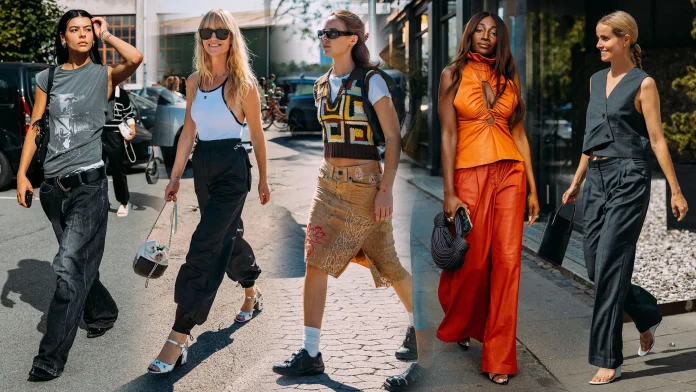

What makes street style more popular than luxury brands is something I started noticing when I stopped caring about fashion weeks and started paying attention to what people actually wear outside. Not runways. Not editorials. Real streets. Metro stations, cafes, college campuses, airports. That’s where fashion decisions are actually made, and luxury brands aren’t winning there like they used to.
Street style feels real, not aspirational
Luxury fashion often feels like it’s talking at people, not with them. Huge price tags, dramatic campaigns, models who don’t look remotely like us. Street style, on the other hand, looks like something you could wear today without taking a loan.
There’s comfort in that relatability. A hoodie, sneakers, loose pants. It doesn’t scream “look at me”. It says “this is me”. That difference matters more now than it did before.
Social media flipped the power balance
Instagram, TikTok, and YouTube changed who sets trends. Earlier, luxury brands decided what was cool. Now random creators do. Someone posts an outfit, it goes viral, and suddenly that look is everywhere.
Street style thrives in this environment. It’s flexible, remixable, and doesn’t need approval from fashion houses. Luxury brands try to copy it, which is kind of ironic.
You’ll see luxury logos paired with thrifted jeans. The hierarchy is gone.
Comfort became non-negotiable
Post-pandemic, comfort stopped being optional. People aren’t willing to suffer for fashion anymore. Tight fits, stiff fabrics, uncomfortable shoes lost their appeal.
Street style adapts faster. It’s built around movement, ease, everyday life. Luxury brands are catching up, but street style already lives there.
It’s hard to sell a ₹2 lakh jacket when people just want to breathe.
Street style reflects culture, not status
Street fashion pulls from music, sports, skate culture, local scenes. It evolves naturally. Luxury fashion often pulls from heritage and exclusivity.
Today, culture matters more than status. People want to express identity, not wealth. Wearing something that represents your vibe feels better than wearing something expensive.
That shift is subtle but powerful.
Luxury brands overplayed exclusivity
Exclusivity used to be exciting. Now it feels exhausting. Limited drops, waiting lists, artificial scarcity. It starts to feel manipulative.
Street style doesn’t gatekeep as much. You can interpret trends in your own way, at your own budget. That freedom is attractive.
When fashion feels like a club you weren’t invited to, people stop caring.
Street style allows personal storytelling
Luxury fashion often has a fixed story. Wear this to look powerful. Wear that to look elegant. Street style is open-ended.
You can mix high and low, old and new. Your outfit can say something about your mood, not just your bank balance.
That flexibility makes street style feel more human.
Younger generations value authenticity
Gen Z especially has a strong radar for fake. Over-polished campaigns don’t impress them. They prefer raw, imperfect, expressive looks.
Street style fits that mindset. It’s not about perfection. It’s about personality.
Luxury brands still struggle to speak that language without sounding forced.
Price matters more than brands admit
Let’s be honest. Price is a huge factor. Street style is accessible. Luxury fashion isn’t.
When people can achieve a similar aesthetic without paying absurd prices, the choice becomes obvious.
Spending smart is cooler than spending big now.
Why this trend isn’t going away
What makes street style more popular than luxury brands isn’t just fashion. It’s a shift in values. Comfort, authenticity, individuality.
Luxury brands will still exist. But they no longer control culture the way they once did.
Street style belongs to the people wearing it. That’s hard to compete with.