
Key Takeaways
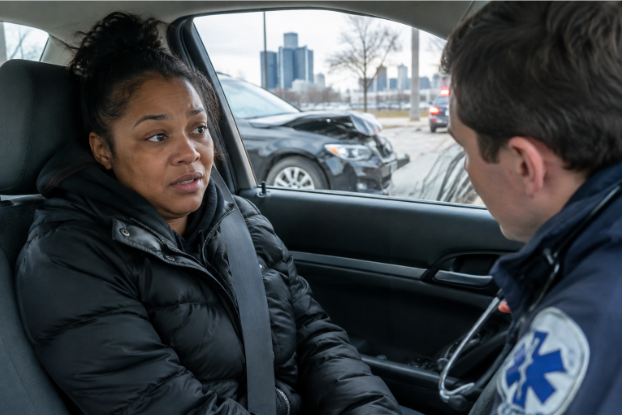
- Safety and medical care should come before conversations about fault or insurance payments.
- Photos, witness information, medical records, and the police report can help create an accurate account of the crash.
- Some injuries may become more noticeable after the initial shock of a collision wears off.
- Michigan insurance claims may involve a person’s own no-fault coverage as well as other available insurance policies.
- People should avoid guessing about fault, minimizing symptoms, or signing documents they do not understand.
- Legal guidance can be useful when injuries, lost income, fault disputes, or coverage questions are substantial.
A collision on I-94, the Lodge, Woodward Avenue, or a neighborhood street can leave Detroit drivers and passengers dealing with pain, damaged vehicles, missed work, and unexpected insurance calls. In the first hours after a wreck, the priority is safety and medical care. Once urgent needs are addressed, speaking with an accident lawyer Detroit, MI may help an injured person understand the questions that can arise in a serious or disputed claim.
Detroit crashes can happen in heavy commuter traffic, construction zones, winter weather, or ordinary stop-and-go driving. A clear plan helps prevent rushed decisions. Focus on getting safe, documenting the facts, following medical guidance, and preserving records rather than trying to settle fault at the roadside.
Why a Clear Post-Crash Plan Matters
After a crash, it is easy to feel pressured to explain what happened, arrange transportation, contact an employer, and respond to insurers all at once. Taking the next appropriate step can protect both health and important information. The details gathered early, including the location, vehicle positions, traffic controls, and witness names, may be difficult to recreate later.
Step One: Check for Immediate Danger
Start with safety, not blame. If the vehicles can be moved safely and doing so will not put anyone at greater risk, move out of active traffic. Turn on hazard lights and use warning equipment if available. Call 911 when someone appears injured, traffic is blocked, there is a fire risk, or emergency assistance is needed.
- Do not argue with the other driver or attempt to decide fault at the scene.
- Do not move an injured person unless there is an immediate danger, such as fire or approaching traffic.
- Accept medical evaluation when emergency personnel recommend it.
- Exchange identifying and insurance information calmly and accurately.
Step Two: Get Medical Care and Follow Up
Adrenaline and stress can make it difficult to judge pain immediately after a collision. Seek prompt medical attention for symptoms such as head pain, dizziness, nausea, confusion, neck or back pain, numbness, weakness, chest pain, or worsening discomfort. Emergency symptoms should be treated as emergencies.
Tell the medical provider about all symptoms and explain that they began after a motor vehicle crash. Follow discharge instructions, attend recommended appointments, and retain records of prescriptions, referrals, imaging, and treatment dates. Accurate medical records are useful for continuity of care and can also show how an injury affected daily life.
Step Three: Document the Crash Scene
Gather information only when it is safe to do so. Take photos from a safe location and save the original files. Useful documentation includes:
- Wide and close photos of both vehicles, visible damage, roadway conditions, traffic lights, signs, and debris.
- The other driver’s name, contact information, license plate number, and insurance details.
- Witness names and phone numbers.
- The time, intersection or roadway, lane position, weather, and direction each vehicle was traveling.
- Dashcam footage, without editing or overwriting the original file.
- The police report, once it is available.
Modern vehicles can contain electronic information related to a crash. Avoid deleting vehicle data or authorizing repairs before the damage has been thoroughly photographed and the vehicle has been evaluated as needed. The National Highway Traffic Safety Administration’s crash injury research program pairs medical and engineering evidence, which underscores why both treatment records and vehicle documentation can matter.
Step Four: Notify the Appropriate Insurer
Review the policy and report the collision within the time required by the insurer. Provide basic, truthful facts. It is usually better to say that an injury is still being evaluated than to guess about recovery time, the cause of the crash, speed, or future medical needs.
Reporting a claim is different from giving a detailed recorded statement. Ask the adjuster what information is required, write down the claim number, and save emails and letters. Before signing a medical authorization or settlement release, read it carefully and ask questions about its scope and effect.
How Michigan Insurance Rules Can Affect a Claim
Michigan uses a no-fault auto insurance system, so an injured person may look first to applicable personal injury protection benefits for certain crash-related expenses. The available benefits, deadlines, and eligibility can depend on the policy, household circumstances, employment status, and the facts of the crash.
Other issues may involve property damage, uninsured or underinsured motorist coverage, policy limits, deductibles, or a claim against an at-fault driver. Because insurance rules and deadlines can be fact-specific, keep all policy documents and obtain individualized guidance before assuming a particular benefit applies.
Build One Organized Evidence File
Create a digital folder, paper folder, or both. Keep the contents in date order so that treatment, expenses, and insurer communications are easy to find.
- Crash report, photographs, witness information, and insurance policy details.
- Medical bills, visit summaries, prescriptions, referrals, and treatment instructions.
- Pay stubs, employer notes, and records of time missed from work.
- Towing invoices, repair estimates, rental receipts, and vehicle-related bills.
- A short daily journal describing symptoms, sleep problems, mobility limits, and missed activities.
- All claim numbers, call notes, emails, letters, and settlement offers.
Common Mistakes to Avoid
- Posting detailed information about the crash or injuries on social media.
- Apologizing in a way that could be interpreted as accepting blame.
- Skipping recommended care without discussing the reason with a provider.
- Exaggerating symptoms or expenses instead of maintaining honest records.
- Accepting a settlement before understanding whether additional treatment may be needed.
- Assuming a vehicle with limited visible damage cannot be associated with a real injury.
When Legal Advice May Be Helpful
Not every Detroit collision requires legal representation. A consultation may be worth considering when there is a serious injury, lasting limitation, significant medical treatment, lost income, disputed fault, an uninsured driver, multiple insurance policies, or a fatal crash.
Questions to Ask During a Consultation
- What deadlines may apply to this claim?
- Which insurance policies could provide benefits?
- What evidence should be preserved now?
- How are legal fees and case expenses handled?
- Could a proposed settlement affect future care or other benefits?
Prevention Still Matters
Careful driving cannot eliminate every risk, but seat belt use, sober driving, safe speeds, and fewer distractions reduce preventable danger. The CDC identifies evidence-based motor vehicle injury prevention interventions that can help reduce crash-related injuries and deaths, reinforcing the value of safer choices by drivers and communities alike.
Final Checklist
- Move to safety when possible and call emergency services when needed.
- Seek medical care and follow treatment instructions.
- Collect photos, names, insurance information, and witness details.
- Report the collision as required by the insurance policy.
- Keep all records in a single organized file.
- Avoid public statements about fault or the full extent of injuries.
- Consider qualified legal guidance for serious or contested claims.
A car accident can feel chaotic, but the next steps do not have to be. Prioritizing safety, medical care, accurate documentation, and timely communication gives Detroit crash victims a stronger foundation for addressing the insurance process and making informed decisions about their recovery.