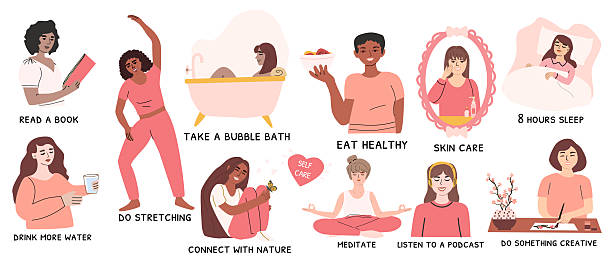

Why is everyone suddenly obsessed with self-care feels like one of those questions you start asking after seeing your tenth “self-care Sunday” post in a single scroll. Face masks, candles, skincare routines longer than my morning commute, journaling, affirmations, cold plunges, hot girl walks. It’s everywhere. And honestly, part of me rolls my eyes, but another part totally gets it.
Burnout is no longer a secret
One big reason why is everyone suddenly obsessed with self-care is simple. People are tired. Not sleepy tired, but mentally done tired. Work bleeds into personal life, phones never shut up, and being “busy” is somehow a badge of honor.
Earlier, burnout was something you hit after decades of work. Now people hit it in their early twenties. Self-care becomes less of a luxury and more of damage control.
I didn’t care about self-care until I felt exhausted doing nothing. That’s when it hits.
Self-care looks aesthetic now
Let’s be honest, self-care got popular because it looks good online. A skincare routine looks better than a mental breakdown. A cozy candle post is more shareable than admitting you’re overwhelmed.
Social media packaged rest into something aspirational. Suddenly, taking care of yourself feels productive, even when you’re resting.
It’s weird, but if rest needs good lighting to be accepted, so be it.
Therapy talk went mainstream
Words like trauma, boundaries, healing used to sound heavy or awkward. Now they’re part of everyday language.
This normalization made people more aware of their mental health. Maybe too aware sometimes, but awareness beats silence.
When people realize their stress isn’t “normal adult life” but something manageable, self-care feels necessary.
The world feels unpredictable
Pandemics, layoffs, inflation, climate anxiety. The world doesn’t feel stable anymore.
When external control disappears, people focus inward. Self-care gives a sense of control. You may not control the economy, but you can control your morning routine.
That tiny control feels powerful.
Self-care is also a soft rebellion
Saying no, resting, choosing peace. These things quietly rebel against hustle culture.
Earlier, working nonstop was praised. Now stepping back is framed as strength.
Self-care says, I won’t destroy myself just to keep up.
That’s a big cultural shift.
But self-care also got commercialized
This part annoys me a bit. Self-care turned into products. Expensive routines. Gadgets. Subscriptions.
Not everything needs a purchase. Drinking water and sleeping well don’t require aesthetic packaging.
Sometimes self-care is boring, uncomfortable, and free.
People confuse self-care with avoidance
Here’s the uncomfortable truth. Sometimes self-care is used to avoid hard things. Ghosting responsibilities and calling it boundaries.
Real self-care isn’t always relaxing. Sometimes it’s discipline. Sometimes it’s uncomfortable conversations.
But that version doesn’t trend well.
Online validation plays a role
Posting self-care online invites validation. Likes. Comments. Support.
In a lonely world, that support matters. People want to be seen taking care of themselves.
It’s not fake. It’s human.
We’re finally learning to listen to ourselves
Why is everyone suddenly obsessed with self-care also has a hopeful side. People are paying attention to their needs instead of ignoring them.
That’s growth, even if it’s messy.
Not all self-care is deep. Not all of it works. But the intention behind it feels genuine.
It’s not a phase, it’s a response
This obsession didn’t appear randomly. It’s a response to modern life pushing people too far for too long.
Self-care isn’t about perfection. It’s about survival, with candles sometimes.
And yeah, I still forget to do half of it. But at least now I know I should.