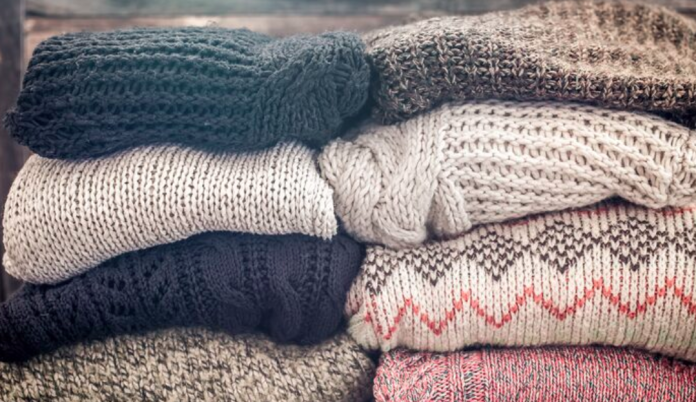

Investing in premium cold-weather garments is an essential decision that directly impacts your daily comfort, warmth, and wardrobe longevity. When shopping for wool clothing, distinguishing between mass-market synthetic blends and authentic, luxury natural fibers can feel intimidating at first glance.
However, by understanding the foundational indicators of excellence—such as fiber fineness, weave density, and garment construction—you can easily identify exceptional pieces.
Whether you are curating a professional winter capsule or searching for cozy base layers, following a structured evaluation process ensures you purchase durable items that deliver lasting style and performance.
Understanding Micron Counts and Fiber Fineness
The tactile comfort of any garment depends almost entirely on the diameter of its individual fibers, which are measured precisely in microns.
Coarser sheep wool often feels scratchy against sensitive skin, whereas ultra-fine varieties like Merino or cashmere boast microscopic diameters that bend effortlessly upon skin contact.
When evaluating potential wool clothing pieces, look closely at product labels to identify the micron grade, aiming for lower counts if you plan to wear the items directly against your skin.
Inspecting Weave Density and Construction Integrity
The structural resilience of knitwear and tailored outerwear relies heavily on how tightly the yarn has been spun and assembled. High-quality wool clothing features a dense, uniform stitch structure or tightly woven framework that resists sagging and maintains its original shape after repeated wear.
Gently stretch a small section of the fabric between your hands; superior textiles will immediately spring back into alignment without leaving permanent distortions or revealing oversized gaps between individual yarns.
Evaluating Source Materials and Animal Origins
Different animal fibers offer distinct thermal advantages, weights, and aesthetic characteristics that suit various seasonal needs. Traditional sheep fleece provides rugged durability for heavy outerwear, while specialty options like alpaca and mohair introduce unique luster and lightweight insulation.
Reviewing the specific animal origin on garment tags ensures you understand the true value, warmth-to-weight ratio, and maintenance requirements of your selected wool clothing investments before making a final commitment.
Checking Seam Quality and Hardware Finishings
The true mark of master tailoring often lies in the hidden interior construction details of a garment. Inspect internal seams, shoulder joints, and buttonhole reinforcements to ensure they are neatly double-stitched and securely finished without loose threads.
Premium wool clothing will feature clean internal bindings and robust hardware that prevent fraying and structural breakdown, safeguarding your financial investment against premature wear and tear during regular use.
Prioritizing Sustainable Sourcing and Ethical Production
Modern consumers increasingly value transparency, environmental responsibility, and humane animal treatment within the textile supply chain. Look for certified labels guaranteeing mulesing-free shearing practices and eco-friendly dyeing processes that protect natural ecosystems.
Choosing ethically produced garments ensures that your wardrobe upgrades support sustainable agricultural traditions while delivering completely biodegradable, microplastic-free comfort that respects both people and the planet.
By investing in these certified pieces, you actively contribute to reducing global landfill waste and plastic pollution. Ultimately, making conscious purchasing decisions empowers ethical brands to continue championing a cleaner, kinder future for fashion.