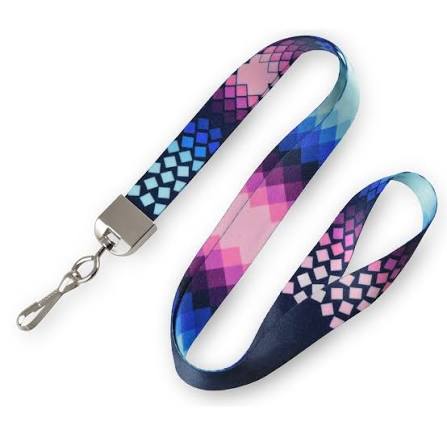

It’s easy to think of a lanyard as the least interesting item on any corporate order form, a strip of fabric with a clip on the end, hardly worth a second thought. But spend a day at a conference centre in Dubai and you’ll notice something: the lanyard is doing more work than almost anything else being handed out. It’s holding an access card, identifying which sessions someone can enter, and quietly displaying a sponsor’s logo to everyone in the room, all at once.
That combination of function and visibility is exactly why lanyards remain such a consistent order for events, offices, and schools alike. They’re cheap enough to give away in bulk, yet they’re worn in full view for hours at a time, which is a rare combination in the world of promotional items.
Access Control and Identification
Beyond branding, the practical role a lanyard plays shouldn’t be underestimated. In offices with controlled access, a lanyard holding an ID badge is often the fastest way for security staff or colleagues to confirm at a glance that someone is authorised to be in a particular area. Conferences and exhibitions use colour-coded lanyards to separate attendee types, speakers, exhibitors, press, and general attendees, each in a different colour, which keeps large events running smoothly without needing to check every badge individually.
Schools and universities use lanyards similarly, both for staff identification and, in some cases, for students in secondary or higher education settings where campus access needs managing.
Material and Attachment Choices
Polyester remains the standard material, offering a good balance of durability and printing clarity at a reasonable cost. Nylon is a step up in terms of finish, often used for premium events or executive staff lanyards where a slightly glossier, more refined look is preferred. Attachment options matter more than people initially assume, a safety breakaway clip is considered essential in most professional settings, since it releases under pressure rather than posing a strangulation risk if the lanyard gets caught on equipment or a door.
Businesses reviewing material and clip options can browse the current Custom Lanyards range, which typically covers various widths, weave types, and attachment styles suited to different use cases.
Printing Methods and How They Hold Up
Dye-sublimation printing tends to produce the sharpest, most vivid results and holds colour well over extended daily wear, making it a popular choice for conferences and corporate events where the lanyard needs to look crisp in every photo. Screen printing remains a solid, budget-friendly alternative for simpler single or two-colour logos, though it can show wear slightly faster on lanyards subjected to months of daily use rather than a single event.
Ordering for Events Versus Ongoing Staff Use
A one-off conference order typically prioritises visual impact and colour coding over long-term durability, since the lanyards are usually discarded or kept as a minor souvenir afterward. Ongoing staff-issued lanyards, by contrast, need to hold up to daily wear over months or years, which usually justifies spending slightly more on a higher-grade material and a reinforced clip.
For companies planning either type of order, working through the Custom Lanyards options with a clear sense of expected usage, whether that’s a single three-day event or a year of daily office wear, helps avoid overspending on durability that isn’t needed, or underspending on a lanyard that won’t last.
It’s a modest item on paper, but few things worn at an event or in an office get seen as consistently, which makes it worth a bit more thought than it usually gets.
A Quick Checklist Before You Order
Before finalising any lanyard order, it’s worth running through a short mental checklist: is the width appropriate for how long it will be worn, does the attachment style suit the environment it’s used in, does the print method match the level of detail in the logo, and does the material suit how often it will be washed or exposed to the outdoors. Answering these upfront avoids the more common mistake of choosing purely on price and discovering the shortcomings only after the order has already arrived.
Handled thoughtfully, a lanyard order is a small, one-time decision that quietly shapes how staff and visitors experience a building or event for months or years afterward, which makes the extra few minutes of planning well worth the effort.