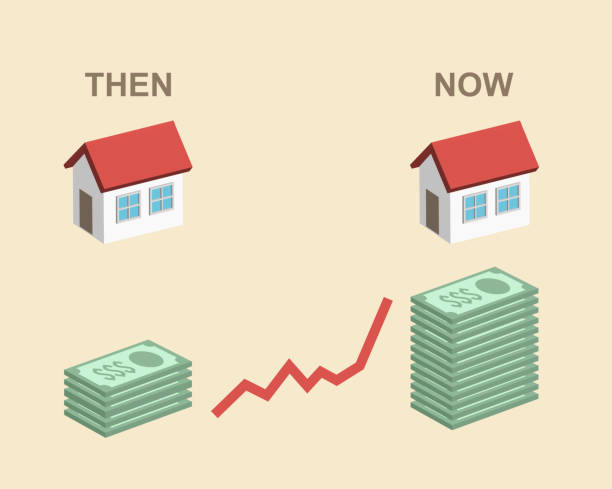

Why are property prices never coming down is one of those questions people ask half-jokingly, half-hopelessly, usually after checking listings at 2 a.m. and closing the app in anger. Every year someone says, “Market will crash soon,” and every year prices somehow climb higher like they didn’t hear us complaining. At this point it feels personal.
Everyone is waiting for a crash that refuses to show up
There’s always chatter online about an upcoming real estate crash. Twitter threads, YouTube thumbnails with red arrows, WhatsApp forwards from that one uncle who “knows the market.” And yet, nothing really crashes. At best, prices pause. Then they continue their slow, annoying climb.
The problem is, too many people are waiting for prices to fall, which ironically keeps demand alive. The moment there’s even a hint of stability, buyers rush in like it’s a sale.
Land is limited, dreams are not
One uncomfortable truth behind why are property prices never coming down is simple math. Land doesn’t increase. Population does. Aspirations definitely do.
More people want homes in cities, but cities can’t magically stretch. Even when they expand, infrastructure takes time, and by then demand has already caught up.
It’s like musical chairs, but with houses and much higher stakes.
Developers don’t like lowering prices
Once a property is launched at a certain rate, reducing prices feels like admitting failure. Developers hate that. It hurts brand value, future projects, and investor confidence.
So instead of cutting prices, they offer “benefits.” Free parking. Modular kitchen. No stamp duty. All discounts in disguise.
The price tag stays high, just dressed better.
Home loans made expensive things feel affordable
Easy credit changed everything. When banks are willing to lend large amounts over long periods, people focus less on total price and more on monthly EMI.
A flat costing one crore feels manageable when broken into monthly payments. That illusion of affordability pushes people to buy earlier, not later.
As long as loans exist, prices stay supported.
Real estate is seen as safety, not shelter
Property isn’t just about living anymore. It’s an investment, a hedge, a status symbol.
In uncertain economies, people park money in land and homes because it feels solid. You can’t swipe it away or watch it disappear like stocks.
That mindset keeps demand alive even when logic says prices are too high.
Black money and unreported deals still matter
People don’t like talking about this, but it plays a role. Real estate absorbs unaccounted money quietly.
Even with regulations tightening, some cash flow still exists. That artificial demand keeps prices inflated beyond what regular salaries can support.
It’s an open secret nobody fully addresses.
Renting feels temporary, owning feels permanent
Culturally, owning a home is still seen as a life milestone. Renting is treated like a phase, not a choice.
Families push. Society pushes. Internal pressure builds.
So people stretch budgets, compromise lifestyles, and buy anyway. That emotional demand doesn’t disappear easily.
Costs behind the scenes are rising too
Construction isn’t cheap anymore. Raw materials, labor, approvals, compliance costs. Everything costs more than it used to.
Even if demand slowed slightly, builders can’t slash prices without bleeding money.
That sets a hard floor below which prices won’t fall.
People underestimate how sticky prices are
Unlike stocks, property prices don’t update daily. Sellers hold. Buyers wait. Transactions slow down instead of prices dropping.
This stickiness creates the illusion of stability even during downturns.
Markets cool silently, not dramatically.
Why it feels unfair to buyers
Salaries don’t rise as fast as property prices. That gap creates frustration. Especially for first-time buyers.
What previous generations bought on one income now needs two, plus loans stretching decades.
That’s why why are property prices never coming down feels less like curiosity and more like anger.
The uncomfortable conclusion
Property prices don’t fall easily because too many systems support them. Demand, credit, culture, investment mindset, and limited supply all stack the odds upward.
Prices may slow. They may stagnate. But a dramatic fall needs a dramatic collapse, and nobody in power wants that.
So yeah, waiting for prices to come down might be a long wait.
I wish I had a happier ending here, but real estate doesn’t care about feelings. .